Forget complicated diets. The simplest way to eat well at almost any meal is the plate method — a visual guide that requires no counting, weighing or apps.
What a balanced plate looks like
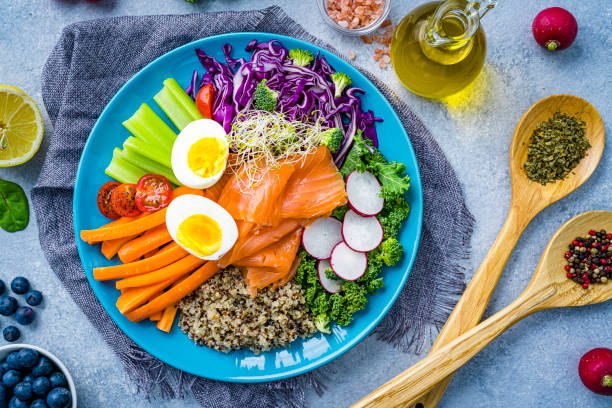
Imagine your dinner plate divided into three sections:
- Half — vegetables and fruit. Go for color: leafy greens, peppers, carrots, berries. This half delivers fiber, vitamins and volume that keeps you full.
- One quarter — lean protein. Chicken, fish, eggs, beans, lentils or tofu. Protein repairs tissue and keeps blood sugar steady.
- One quarter — smart carbs. Brown rice, quinoa, whole-wheat pasta, sweet potato or beans. Whole grains give you lasting energy.
Add the extras with care
Healthy fats (olive oil, avocado, nuts) are wonderful in small amounts, and water is the best drink of all. Watch the sauces — a creamy dressing can turn a light salad into a heavy one.
Why the plate method works
It's flexible, works for any cuisine and doesn't ban any food group — which is exactly why people stick with it. You're nudged toward more vegetables and portion-appropriate protein without feeling deprived.
Putting it into practice
- Keep frozen vegetables on hand for busy nights.
- Prep grains and proteins in batches on the weekend.
- Eat slowly — it takes about 20 minutes for your brain to register fullness.
Our nutrition coaches can turn this template into a personalized plan that fits your tastes, culture and health goals. It's one of the simplest ways we help members build a lifetime of better eating.